

Understanding responsible gambling A guide to safer betting practices
What is Responsible Gambling?
Responsible gambling refers to the practice of gambling in a way that ensures it remains a form of entertainment rather than a source of stress or financial burden. It involves understanding the risks involved and setting personal limits to prevent excessive gambling. The goal is to promote a balanced approach where individuals can enjoy gambling activities without letting it interfere with their personal lives or responsibilities. Many like to explore payid casino options to enhance their experience.
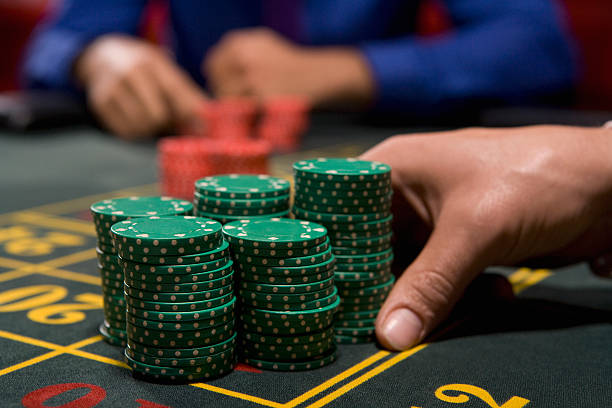
This concept emphasizes that gambling should always be a choice made with clarity and caution. Engaging in responsible gambling means recognizing the difference between fun and harmful behavior. Gamblers should educate themselves about the odds of the games they play, understanding that while luck plays a part, skill and knowledge are crucial in enhancing their experience and outcomes.
Moreover, responsible gambling includes utilizing tools and resources offered by gambling establishments, such as setting limits on deposits or time spent gambling. These measures empower individuals to maintain control over their betting activities, ensuring that gambling remains a safe and enjoyable pastime.
The Role of Luck vs. Skill in Gambling
In the gambling world, luck and skill are often perceived as opposing forces. Luck is the random chance that influences game outcomes, particularly in games like slot machines and roulette, where outcomes are purely based on chance. However, in games like poker or blackjack, skill plays a significant role in shaping results. Understanding the balance between these two elements can help individuals make informed decisions about their gambling strategies.
Players who rely solely on luck may find themselves in precarious situations, especially if they gamble without understanding the games they play. A skilled player, on the other hand, can mitigate risks and enhance their chances of winning by using strategic approaches. For example, a seasoned poker player understands when to bluff or fold, leveraging their skill set to make better decisions that can lead to success.
Ultimately, recognizing that gambling outcomes can be influenced by both luck and skill encourages players to focus on honing their skills while also acknowledging the unpredictability of chance. This dual awareness can foster a more responsible gambling approach, ensuring players are prepared for both wins and losses.
Identifying Problem Gambling
Understanding the signs of problem gambling is vital for maintaining a healthy relationship with gambling activities. Problem gambling is characterized by an inability to control gambling behavior, leading to adverse effects on personal finances, relationships, and mental health. Common signs include chasing losses, lying about gambling habits, and neglecting responsibilities. Recognizing these behaviors early can help individuals seek assistance and address the issue before it escalates.
Moreover, individuals should be aware of emotional and psychological signs, such as feeling anxious or irritable when not gambling. These feelings can indicate a growing dependency on gambling as a coping mechanism, which can further spiral into more severe issues. Being mindful of these indicators can serve as a crucial first step toward recovery and maintaining responsible habits.
Support systems, including counseling and support groups, play a pivotal role in addressing problem gambling. Engaging with professionals and communities can provide the necessary tools and encouragement to help individuals regain control. Creating an environment where open discussions about gambling habits are encouraged can also reduce stigma and promote healthier practices.
Tips for Safer Betting Practices
Implementing practical strategies can significantly enhance the safety of your gambling experiences. First and foremost, setting a budget before engaging in any gambling activity is essential. This budget should include only the amount one is willing to lose, thereby mitigating the risk of overspending. Establishing clear limits helps reinforce self-discipline, ensuring that gambling remains enjoyable and within personal means.
Additionally, players should take regular breaks during gambling sessions to maintain perspective on their activities. Continuous play can lead to a distorted view of reality, making it easier to chase losses or ignore spending limits. Breaks can serve as a reminder to evaluate gambling choices and emotions, thus reinforcing responsible behavior.
Lastly, utilizing available resources such as self-exclusion programs and gambling-related educational materials can provide further safeguards. These resources help individuals recognize when they need to take a step back and seek help if necessary. By equipping oneself with knowledge and tools, gamblers can foster a safer betting environment for themselves and others.

Additional Resources and Support
Many organizations and websites provide valuable resources for individuals seeking to engage in responsible gambling. These entities offer educational materials, support hotlines, and access to counseling services for those struggling with gambling addiction. Engaging with these resources can help individuals understand gambling’s potential impacts and develop healthier habits.
Furthermore, many gambling establishments have implemented responsible gaming policies, which include tools for self-assessment and limits on gambling activities. Players should familiarize themselves with these policies as they provide essential guidelines and support for maintaining responsible practices. Being aware of available resources allows gamblers to seek assistance when necessary, reinforcing a commitment to safer betting.
Ultimately, fostering a culture of responsibility within the gambling community promotes healthier and more sustainable gaming practices. By prioritizing education and awareness, individuals can enjoy the thrill of gambling while minimizing risks and negative consequences. This proactive approach to responsible gambling benefits not only the players but also the broader gambling environment.